Ever tried finding commercial space on your own? Yeah. It’s rough. Like, really rough. Listings everywhere. Lease documents thicker than phone books. And landlords? They’ve done this dance a thousand times before. Most business owners haven’t. That’s exactly why understanding tenant representation matters so much right now. It’s not marketing fluff or some trendy service that popped up last year. Nope. This has been around for decades – and there’s a good reason for that.
Here’s a way to think about it. When folks buy a house, they grab a buyer’s agent, right? Someone on their side. Understanding tenant representation works the same way – except it’s for businesses hunting down office buildings, warehouses, shopping centers, that kind of thing. The whole point? Having somebody fight for the business. Not the landlord.
So What Even Is Tenant Representation Anyway?
OK let’s get into it. Understanding tenant representation basically means knowing there’s a commercial real estate broker who works ONLY for tenants. That’s the whole deal. This broker – people call them tenant reps – they hunt for spaces, haggle over lease terms, and make sure the business doesn’t get steamrolled. Because landlords have their own people. Lawyers. Agents. Property managers.
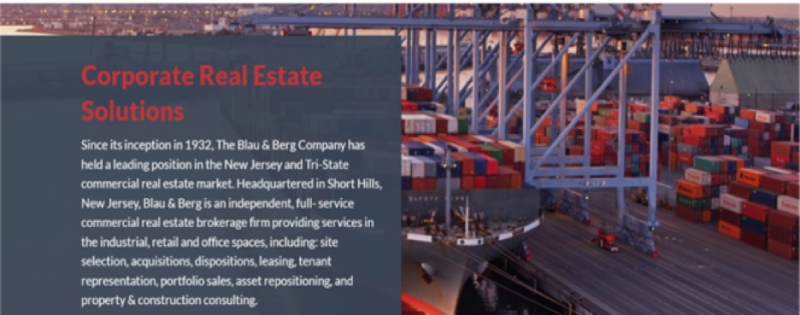
What makes tenant reps different from your average real estate broker though? They don’t double-dip. They’re not getting paid by the building owner on the side. No weird conflicts where they’re trying to close deals just to pocket commissions from both ends. Firms like The Blau & Berg Company out in Short Hills, New Jersey have been doing this since 1932 – yeah, ninety-plus years. Their brokers average over 20 years of experience each. That’s not nothing.
Think about walking into a negotiation alone. Landlord’s got a whole team behind them. Years of experience squeezing every penny out of lease deals. And there’s the business owner, maybe leasing commercial space for the first or second time ever. It’s like – I don’t know – showing up to a poker game without knowing the rules. Doesn’t usually end well.
Why Would Any Business Actually Need This?
Real talk here. Understanding tenant representation comes down to one thing – time. Or really, the lack of it. Business owners are busy running their actual businesses. Shocking right? They don’t have weeks to tour properties. They’re not reading lease documents at night. Market research? Comparing rental rates? Most people would rather do anything else.
A tenant rep handles all that messy stuff. They dig through listings. Schedule the tours. Crunch the numbers. Sit across from landlords and push back on ridiculous terms. Meanwhile? The business owner gets to keep doing what actually makes money.
1. They Actually Know What’s Happening in the Market
This one’s huge. Tenant reps track rental rates like hawks. They know which neighborhoods are heating up. Which ones cooling off. Where new developments might pop up and drive prices around. This kind of stuff isn’t something random business owners just know. Takes years in the trenches.
The Blau & Berg Company focuses heavily on the New Jersey and Tri-State market. They’ve got deep roots around the Newark-Elizabeth seaport area. Industrial logistics, distribution centers – that whole world. They’ve worked with big names too. UPS. FedEx. Hertz. When someone’s been doing deals in the same region for nearly a century, they pick up things.
2. They Find Spaces Nobody Else Knows About
Here’s something wild. A lot of the best commercial spaces never hit public listings. Landlords talk to brokers they trust. Deals happen behind closed doors. Tenant reps have those connections. They hear about openings before anyone posts online. Massive advantage in tight markets.
More options means better fits too. Maybe the company needs a warehouse close to the port. Or an office near train stations. Or a storefront in an up-and-coming area. Solid tenant reps dig up those hidden opportunities.
3. Negotiation Is Literally Their Job
Boom. This right here – understanding tenant representation really clicks when talking about negotiation. Lease talks get messy. Landlords push for higher rents. Longer commitments. Stricter rules about what tenants can and can’t do. Tenants want the opposite. Lower costs. Flexibility. Room to grow or shrink depending on how things go.
Tenant reps do this constantly. They know which asks are reasonable. Which ones are insulting. When to push harder. When to back off. The Blau & Berg Company’s specialists handle everything from acquisitions to renewals to subleases. Even lease buy-outs when things need to change mid-contract. That breadth of experience shows up at the bargaining table.
4. Saves a Ton of Time (and Sanity)
Look. Finding the right commercial space could eat up months. Driving around. Scheduling tours. Reading through lease after lease. Going back and forth with landlords. Exhausting. A tenant rep collapses all that into a much tighter timeline. They filter out the junk. Focus on what fits. Handle the coordination.
5. Advice Without Hidden Agendas
Since tenant reps only work for the tenant – and that’s it – their advice stays clean. They’re not gonna push some overpriced building just because it pays a bigger commission. They’re not hiding problems. If a space has issues, they’ll say so. That kind of honesty? Hard to find. And it makes trusting the process way easier.
What Does Working With a Tenant Rep Actually Look Like?
Understanding tenant representation also means knowing how the whole thing plays out. It’s not super complicated. But each piece matters.
A. Figuring Out What the Business Actually Needs
First step? Sitting down and talking through everything. How much square footage? What kind of layout? Where does it need to be? Budget limits? Special needs like loading docks or crazy-high ceilings or whatever? This conversation shapes the whole search. Skip it or rush through it and everything after gets harder.
B. Digging Into the Market
Then comes research. The tenant rep pulls data on available properties. Compares asking rents. Looks at what’s happening in different areas – construction projects, businesses moving in or out, that sort of thing. All this info helps narrow down where to focus.
C. Actually Visiting Places
Now the fun part – or exhausting, depending on perspective. Tours. Walking through buildings. Kicking tires so to speak. Good tenant reps point out stuff most people miss. Parking situations. HVAC condition. What escalation clauses might mean five years out. Details that don’t show up in glossy brochures.
D. Fighting for Better Lease Terms
Once a space gets picked, real work kicks in. Negotiation time. The tenant rep pushes for better rates. Tries to lock in protections. Fights for flexibility. Makes sure the contract doesn’t have landmines buried in the fine print. This part can drag on – sometimes weeks of back and forth – but it’s where the value really shows.
E. Sticking Around After the Ink Dries
Here’s something people don’t always realize. A good tenant rep doesn’t disappear once the lease gets signed. They help with renewals later. Expansions if the business grows. Even step in if problems come up with the landlord down the road. That ongoing relationship has real value.
Mistakes That Happen Without Tenant Representation
Some businesses figure they’ll handle it themselves. Save a few bucks maybe. Or they just don’t know this service exists. Understanding tenant representation includes seeing what goes wrong when people skip it.
1. Overpaying on Rent
Without knowing market rates – like really knowing them, not just Googling around for ten minutes – businesses end up accepting whatever the landlord asks. That’s usually too high. Sometimes WAY too high. A tenant rep knows what similar spaces actually lease for. They push back.
2. Getting Blindsided by Extra Costs
Leases hide all kinds of charges in the fine print. Common area maintenance fees. Tax pass-throughs. Insurance bumps. Stuff that adds thousands to the annual bill. People without experience miss these. Then get nasty surprises six months in.
3. Signing Terms That Bite Back Later
Certain lease clauses look harmless but create big problems. Personal guarantees that put owners on the hook personally. Restrictions on subleasing that trap companies in spaces they’ve outgrown. Automatic rent increases that compound year after year. Tenant reps spot this stuff. They know what to cross out.
4. Not Planning for What Comes Next
Businesses change. They grow. Sometimes they shrink. A space that works perfectly today might be way too small in three years – or way too big if things slow down. Tenant reps build flexibility into deals. Options to expand. Rights to exit early. That foresight matters.
Wait – Who Actually Pays for This?
OK here’s the part that surprises most people. In commercial real estate, the landlord typically pays the tenant rep’s commission. Not the business. The landlord builds broker fees into their budget. So hiring a tenant rep usually costs the tenant… nothing extra out of pocket. Wild, right?
Some folks think skipping the tenant rep means the landlord will cut them a deal. Pass those savings along somehow. Doesn’t really work that way though. Landlords expect to pay broker commissions. If a tenant shows up alone, the landlord’s broker just keeps the whole fee instead of splitting it. The tenant gets nothing.
Not using a tenant rep basically leaves money sitting on the table. And expertise too.
How to Pick the Right Tenant Rep
Not every tenant rep is built the same. Some focus on certain property types. Others specialize in specific regions. Understanding tenant representation means knowing what matters when choosing someone to work with.
Deep Local Knowledge
This matters more than people think. Zoning rules vary wildly between towns. Traffic patterns affect accessibility. Labor markets impact hiring if the business relocates. The Blau & Berg Company has operated in New Jersey and the broader Tri-State area for over ninety years now. That depth of local understanding – hard to replicate.
Proven Results
Past deals matter. Look for brokers with satisfied clients. Big transactions under their belt. References worth calling. The Blau & Berg Company has worked with major corporations and smaller family businesses alike. That range shows versatility.
Real Credentials
Designations like CCIM and SIOR actually mean something in commercial real estate. They require serious training and demonstrated expertise. Blau & Berg’s team includes multiple brokers with both certifications. Not just letters after their names – actual proof they know their stuff.
Communication That Doesn’t Suck
Sounds basic but – a tenant rep who actually returns calls? Explains things in plain English instead of industry jargon? Keeps clients updated without being nagged? That makes the whole process so much smoother.
Different Property Types Where This Helps
Understanding tenant representation applies across all kinds of commercial spaces. Not just offices or warehouses. Pretty much anywhere businesses lease.
Office Buildings
Small suites. Whole floors. Everything in between. Tenant reps help find spaces that match how teams actually work. Layout flow. Natural lighting. Parking availability. Stuff that affects day-to-day operations.
Warehouses and Industrial Sites
Industrial properties have their own quirks. Ceiling heights. Dock doors. Truck turning radius. Power capacity. Blau & Berg specializes heavily here – especially around port logistics and distribution. They understand what operations actually need versus what looks good on paper.
Retail Storefronts
Retail depends on location more than almost anything else. Foot traffic counts. Visibility from the street. What other stores are nearby. Local demographics. Tenant reps analyze all that – help retailers find spots that actually drive sales.
How This Changes Actual Lease Terms
Commercial leases are dense. Understanding tenant representation reveals how tenant reps translate legal language into plain terms. But more importantly – they shape those terms. They fight for stuff like rent-free periods at the start. Allowances for build-out work. Options to terminate early if things change.
Real talk? Landlords expect pushback. When someone shows up without representation, landlords sometimes see it as an easy deal. Less flexibility. Firmer rates. Having a tenant rep signals serious intent.
Technology’s Role These Days
Understanding tenant representation today means recognizing how tech fits in. Modern tenant reps use data tools to track market shifts in real time. Mapping software to analyze locations. Digital platforms to compare options side by side. The Blau & Berg Company offers real-time updates to clients – property search status accessible anywhere. No waiting around wondering what’s happening.
Virtual tours save time. Electronic document signing speeds things up. Online portals keep everyone aligned. The process moves faster than it used to.
Bottom Line on Understanding Tenant Representation
What’s the takeaway from all this? Understanding tenant representation saves businesses serious time. Real money. Headaches from bad deals. It puts an expert in their corner during a complicated process.
Whether a company needs a tiny office or a massive distribution center, understanding tenant representation shows how it evens the playing field. Market knowledge. Negotiation muscle. Peace of mind. Companies like The Blau & Berg Company have built decades of reputation on exactly this – putting clients first, maintaining trust and integrity, providing genuinely dedicated service.
For any business leasing commercial space in the Tri-State region – or honestly anywhere – tenant representation isn’t some luxury add-on. It’s just smart.
Frequently Asked Questions About Tenant Representation
What exactly is tenant representation in commercial real estate?
It’s when a commercial real estate broker works exclusively for the tenant – not the landlord. They help find good properties. Negotiate lease terms. Basically advocate for the tenant’s interests throughout the whole process. Simple as that.
How’s a tenant rep different from a regular broker?
Regular brokers sometimes represent both sides – landlords and tenants. That creates obvious conflicts. Tenant reps stay on one side only. No divided loyalties.
Does the tenant have to pay for this service?
Usually not. Most of the time the landlord pays broker commissions – both their own broker and the tenant’s rep. So businesses get expert help without any extra cost out of pocket.
What types of businesses use tenant representation?
All kinds honestly. Small startups looking for their first office. Huge corporations expanding into new markets. Retail chains. Industrial distributors. Basically anyone leasing commercial space could benefit.
How long does working with a tenant rep take?
Depends on the situation. Simple deals might wrap in a few weeks. Complex ones – big spaces, tough negotiations, multiple options to evaluate – could stretch several months. But having a rep usually speeds things up compared to going alone.
Can they help with lease renewals too?
Absolutely. Renewals. Expansions. Relocations. Even breaking out of a lease early when circumstances change. Tenant reps add value at every stage of the landlord-tenant relationship – not just the initial search.
Why pick a local firm like The Blau & Berg Company?
Local expertise runs deep. Blau & Berg knows the New Jersey and Tri-State market inside out – zoning quirks, landlord reputations, neighborhood trends, all of it. That hyper-local knowledge translates into better outcomes for tenants. Hard to get that from some national firm with no boots on the ground.

- Understanding Tenant Representation: How It Benefits Businesses Leasing Commercial Space - January 17, 2026
- How Fast-Track Restroom Packages Can Save Your Construction Schedule - January 9, 2026
- European-Style Full-Height Partitions: Pros, Cons, and Design Tips - January 9, 2026